An RFID tag may be small, but choosing the wrong one can make an otherwise good project unreliable. The right tag depends on what you are tracking, where it will be used, and how it needs to be read.
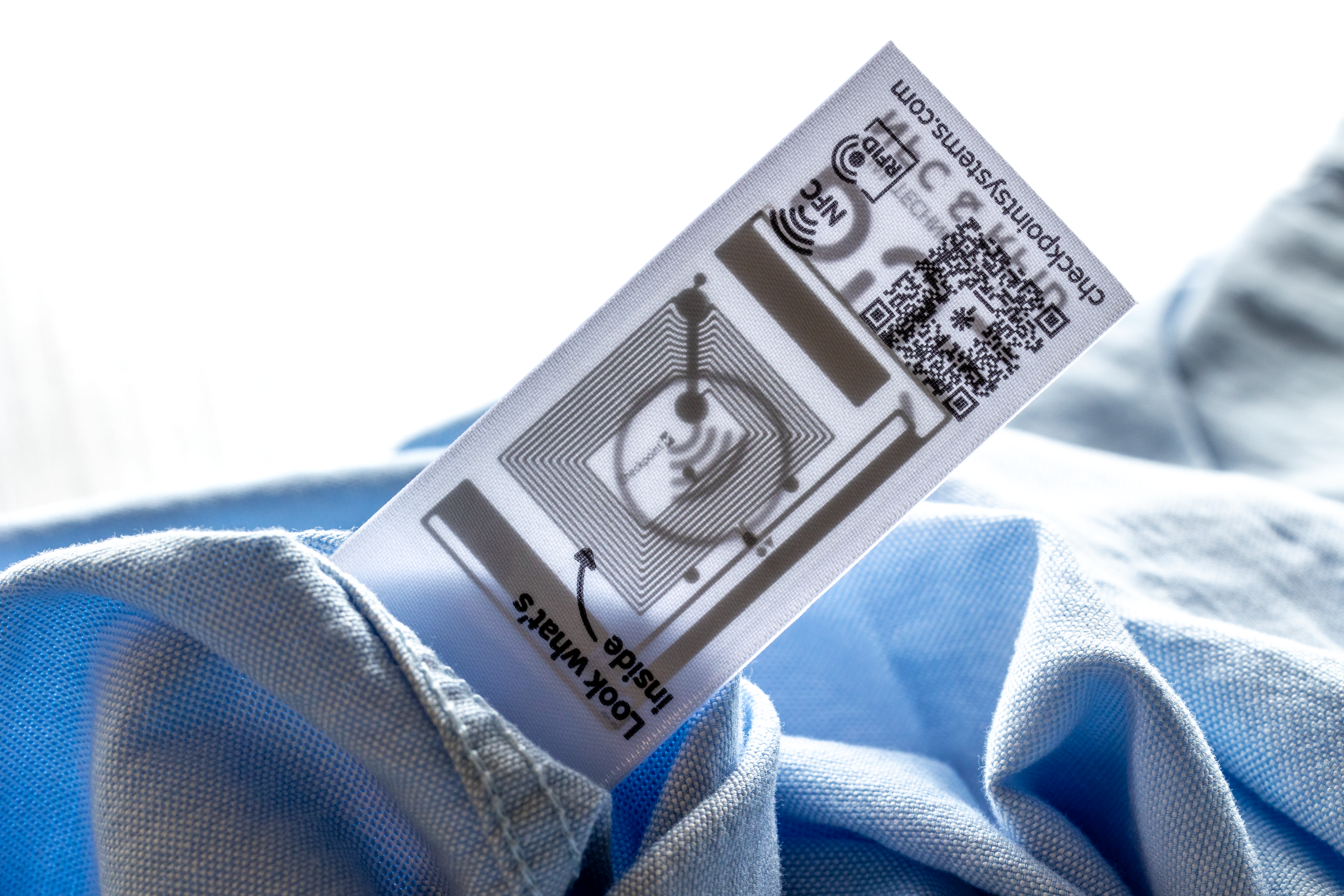
An RFID system pairs a tag—typically a chip and antenna—with a reader. Passive tags draw power from the reader's signal, while active tags use their own power source to broadcast over longer distances. GS1's guide to active and passive tags
Start with the item
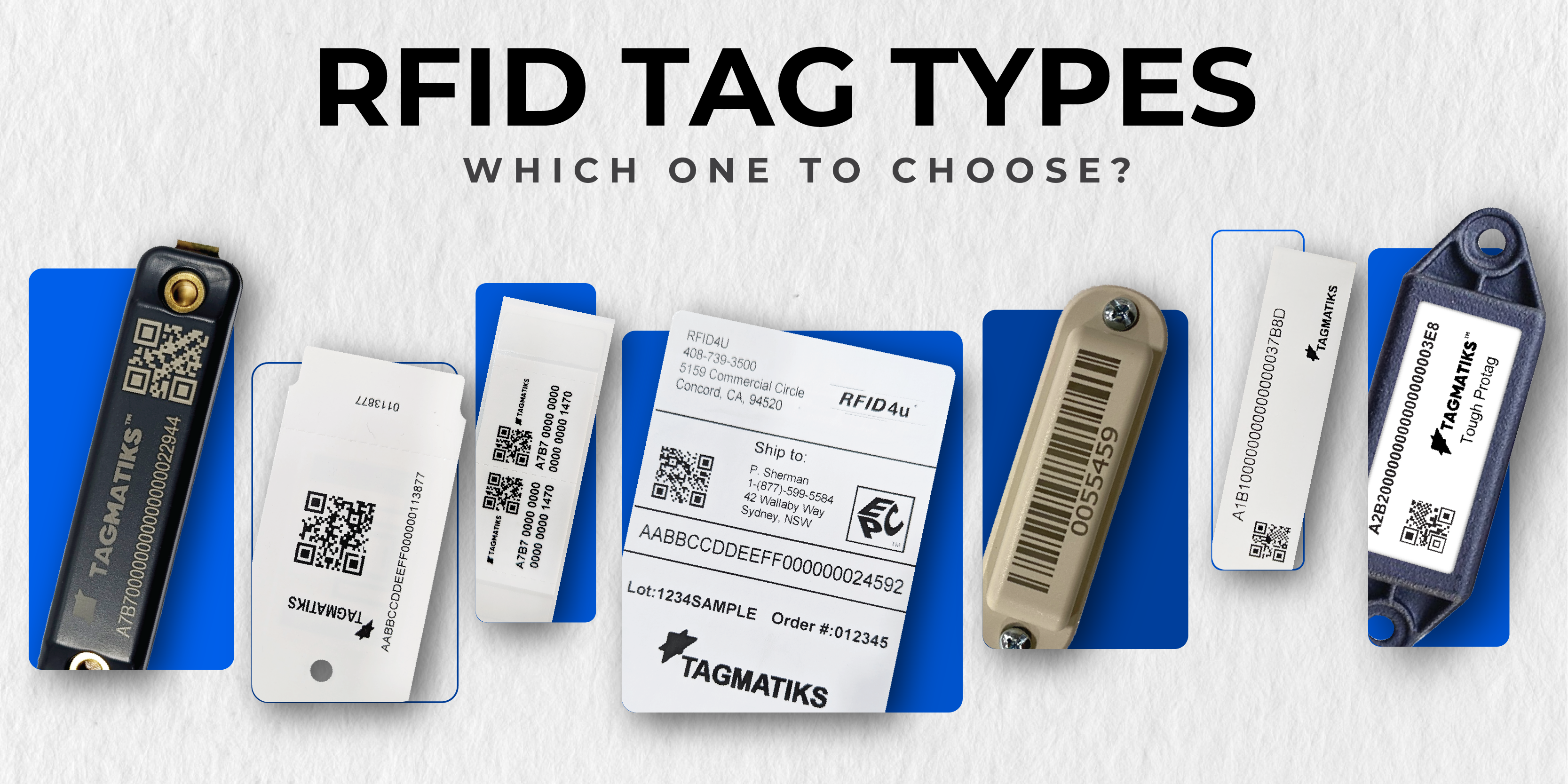
Consider the item's material, size, shape, and environment. Metal and liquids can affect radio performance, so they often require purpose-built tags and testing. A paper label may suit cartons or apparel, while rugged hard tags can be better for tools, equipment, or reusable containers.
Match the tag to the reading process
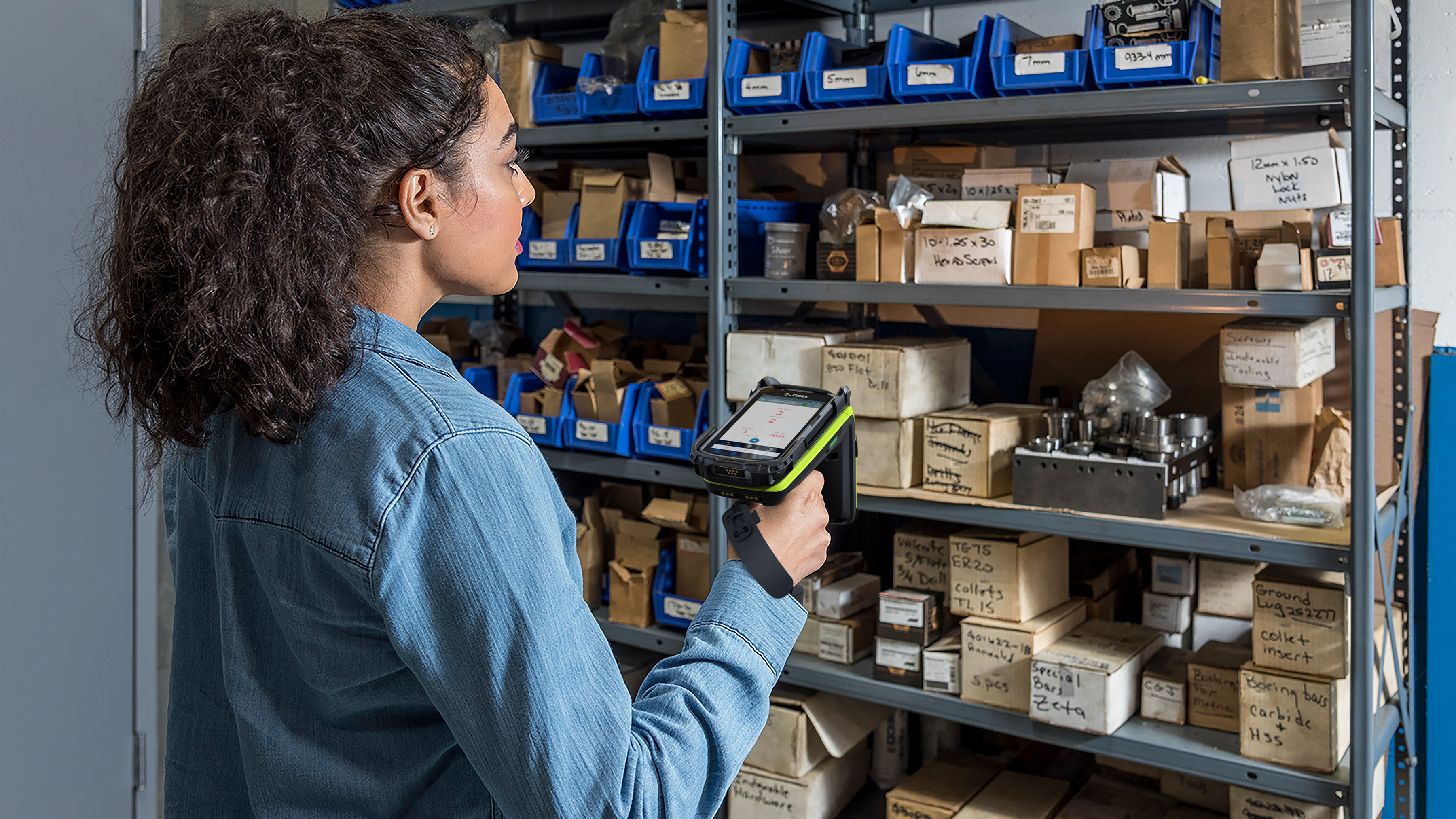
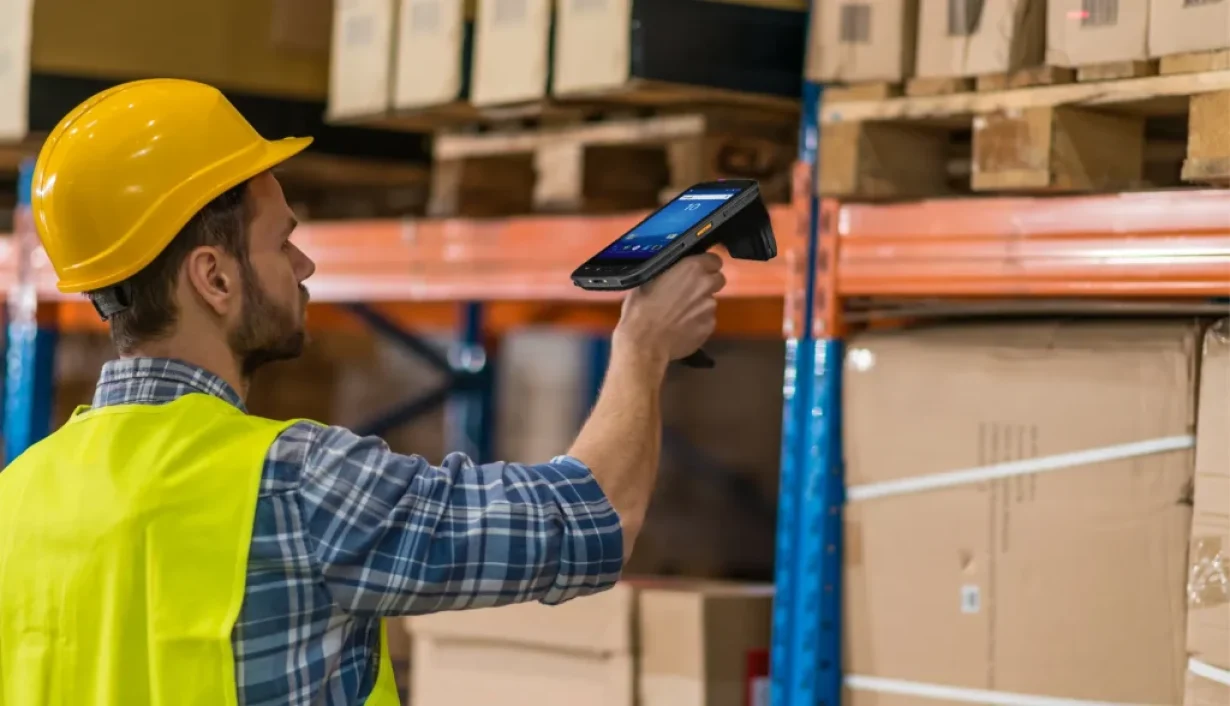
Think about how the item will be captured. Handheld readers, fixed portals, shelves, and desktop stations each create different reading conditions. UHF passive RFID, commonly called RAIN RFID, is widely used when teams need to read multiple tagged items from several metres away. HF and NFC are typically suited to shorter-range interactions such as access, payments, or close-proximity identification. GS1 RFID overview
Use a pilot to confirm performance
There is no universal "best" RFID tag. Read range is influenced by the reader, antenna, tag orientation, surrounding materials, and local radio environment. GS1's read-range guidance recommends focusing on the actual read zone, not a single maximum-distance figure.
The practical approach is simple: select a small number of tag options, test them on the real items in the real workflow, and measure the results before committing to volume.
Ready to find the right tag for your operation?
UpsideBN can help you test the right RFID tag, reader, and placement for your operation.