
The goal of an RFID pilot is not to prove that RFID can read a tag. It is to prove that a specific workflow can become more accurate, faster, or easier to manage.
Pick one operational question
Begin with a focused use case. For example:
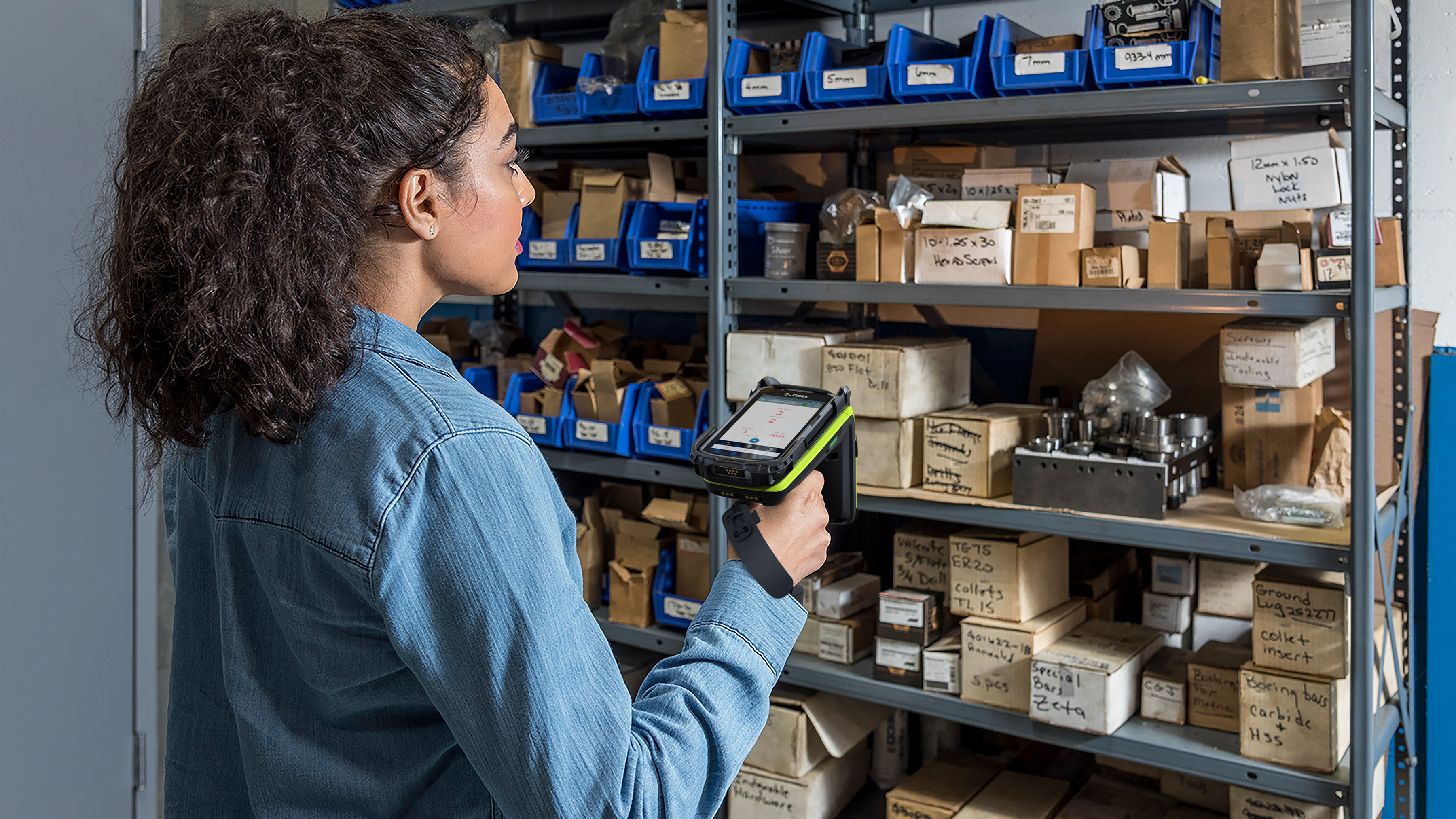
- Can we count this category of stock faster?
- Can we confirm that tools return to the correct location?
- Can we verify items at receiving or dispatch?
- Can we identify work-in-progress without manual updates?
Keep the first pilot narrow enough to measure. A defined workflow gives you a clear basis for deciding whether to expand.
Test real conditions early
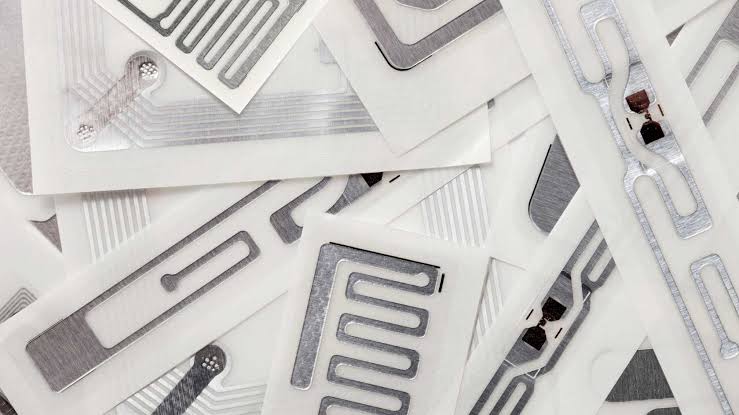
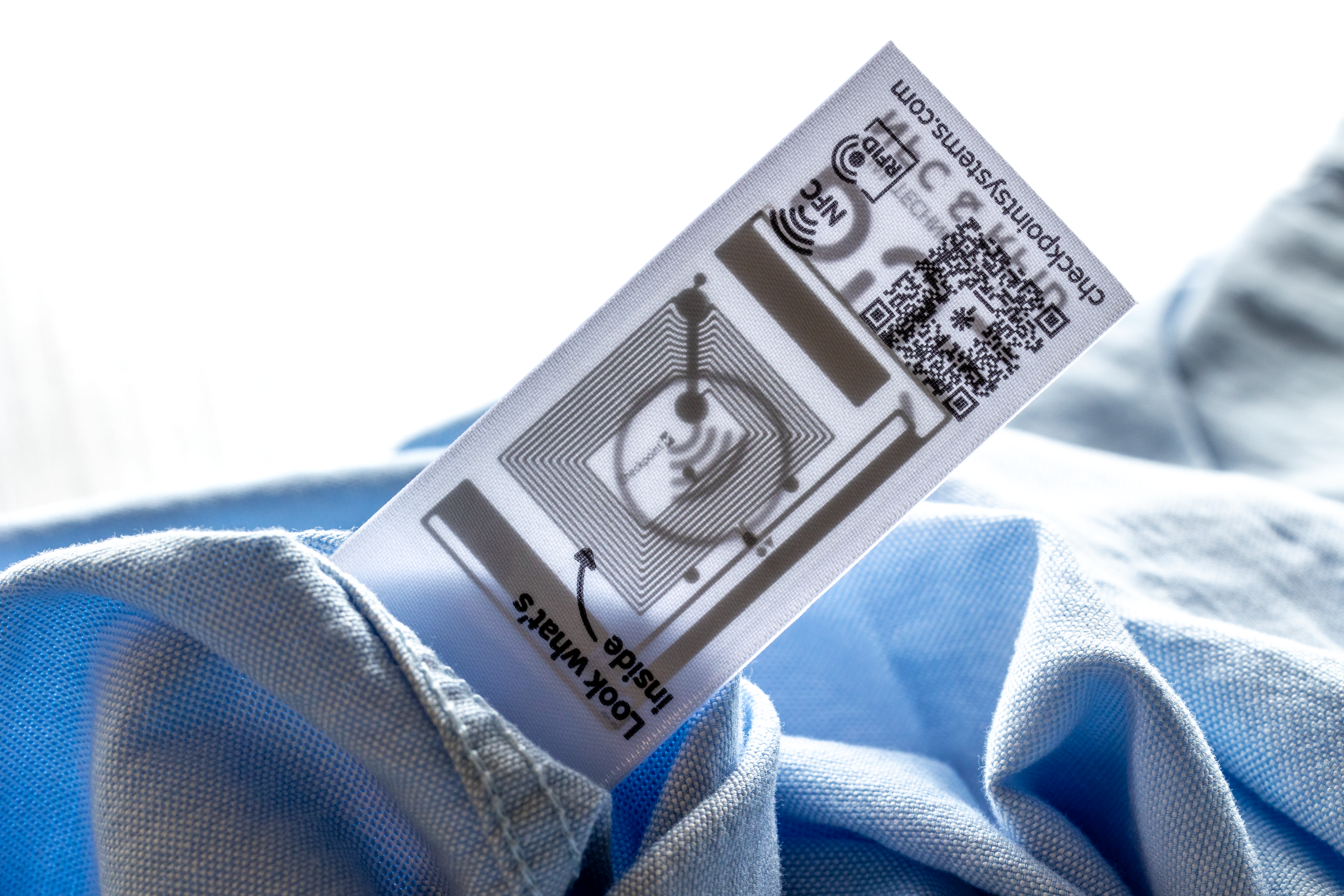
Test the actual items, packaging, read zones, materials, and people involved. A tag that performs well on a desk may behave differently near metal, liquids, stacked goods, or moving equipment. RFID read performance depends on factors including tag type, antenna design, orientation, and the environment. GS1 read-range guidance
Decide what success looks like
Before the pilot begins, agree on a small number of measures. These may include count time, successful read rate, time spent locating an asset, exceptions detected, or reduction in manual data entry.
Also define what happens after a read. A useful RFID event may update a system, flag an exception, confirm a movement, or prompt a staff action. Technology alone does not improve the process; the follow-up does.
Include security and data planning
RFID projects should also consider access, data handling, and system integration from the beginning. NIST notes that RFID systems vary significantly by application and should be designed and operated with appropriate security and privacy controls. NIST RFID guidance
A focused pilot gives your team evidence, not assumptions. Once the workflow works reliably, you can expand with confidence.
Ready to find the right tag for your operation?
UpsideBN can help you test the right RFID tag, reader, and placement for your operation.