Barcodes remain an excellent fit for many businesses. They are familiar, economical, and simple to use when a worker can scan one item at a time. RFID becomes worth considering when that one-by-one process starts limiting speed, accuracy, or visibility.
The practical difference
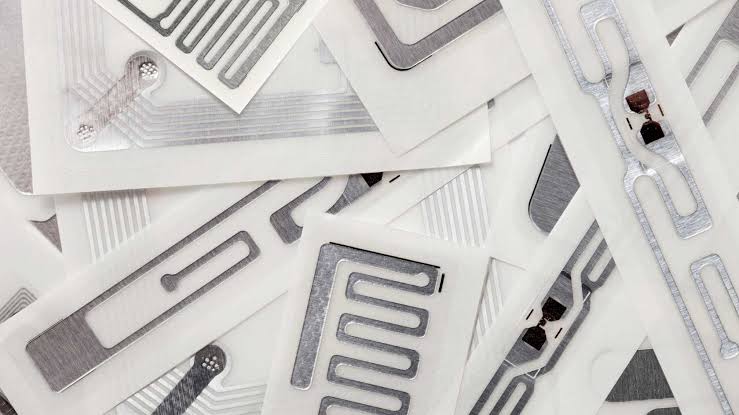
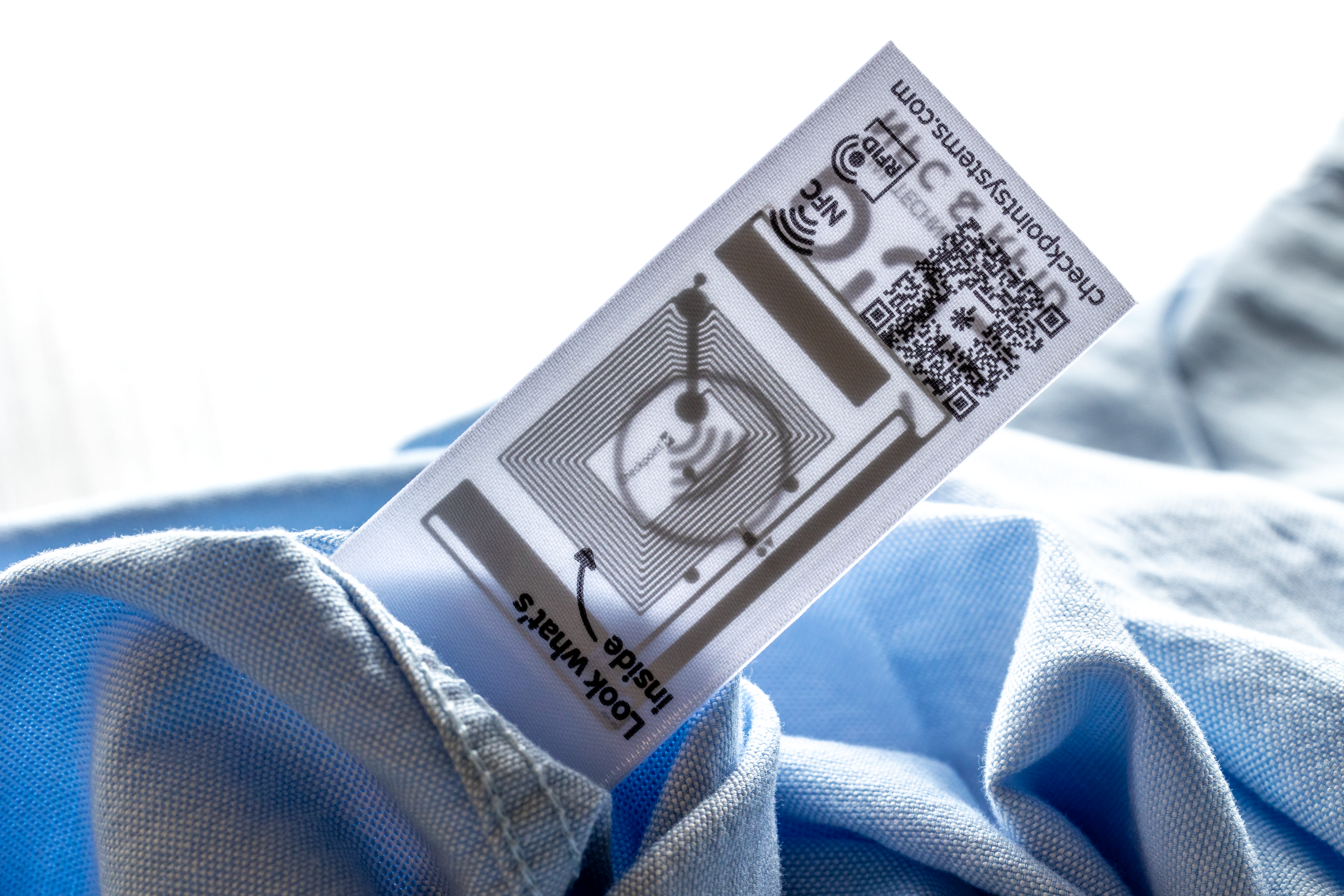
A barcode is read optically, which means the scanner must be able to see the printed code. RFID uses radio communication between a tag and reader. With suitable equipment, RFID can capture multiple tags together without physically lining each item up for scanning. GS1's comparison of DataBar and EPC/RFID explains this difference in practical terms.
When barcodes are still the right answer
Barcodes are a strong choice when items are already handled individually, volumes are low, and basic product identification is enough. They are also sensible when label cost must stay as low as possible or when changing the current scanning process would add more complexity than value.
When RFID creates a stronger case
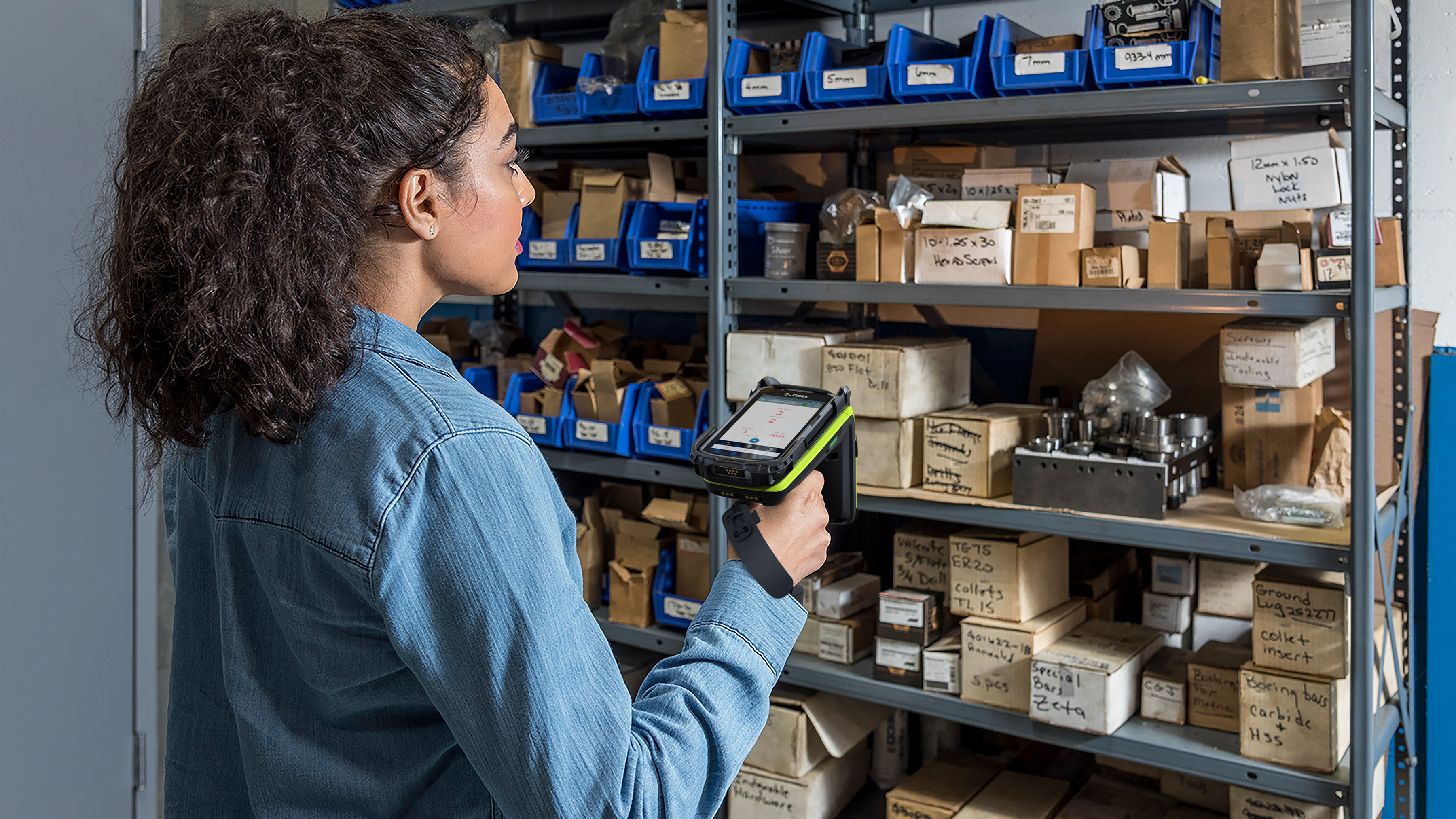
RFID is most useful when teams need to capture many items quickly, reduce manual counting, or follow individual assets through a process. RFID tags can carry unique identifiers, helping a system distinguish one physical item from another rather than treating every identical product as the same record. GS1's EPC standards support this kind of serialised identification. GS1 RFID overview
Typical uses include inventory counts, asset tracking, receiving and dispatch checks, work-in-progress visibility, and retail replenishment. RFID is not valuable merely because it is newer technology; it is valuable when faster or richer data improves a real operational decision.
Start with the workflow, not the hardware
Before selecting a tag or reader, define the question you need the system to answer. Do you need to find equipment faster? Confirm what entered or left an area? Know whether stock is actually available?
Then pilot the most difficult real-life conditions: tag placement, materials such as metal or liquids, read zones, staff movement, and how the read data enters your current systems. RFID systems vary by use case, and NIST recommends considering design, implementation, operation, and associated security or privacy risks as part of deployment planning. NIST RFID guidance
The best answer can be both
RFID and barcodes do not have to compete. Many operations use barcode data alongside RFID identifiers. A practical approach is to keep processes that already work, then introduce RFID where faster capture or item-level visibility has a clear business purpose.
Ready to explore an RFID use case?
UpsideBN can help turn one operational question into a focused pilot plan.