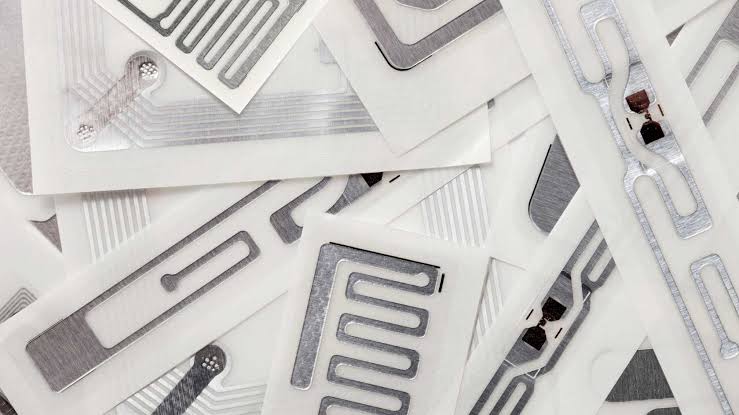
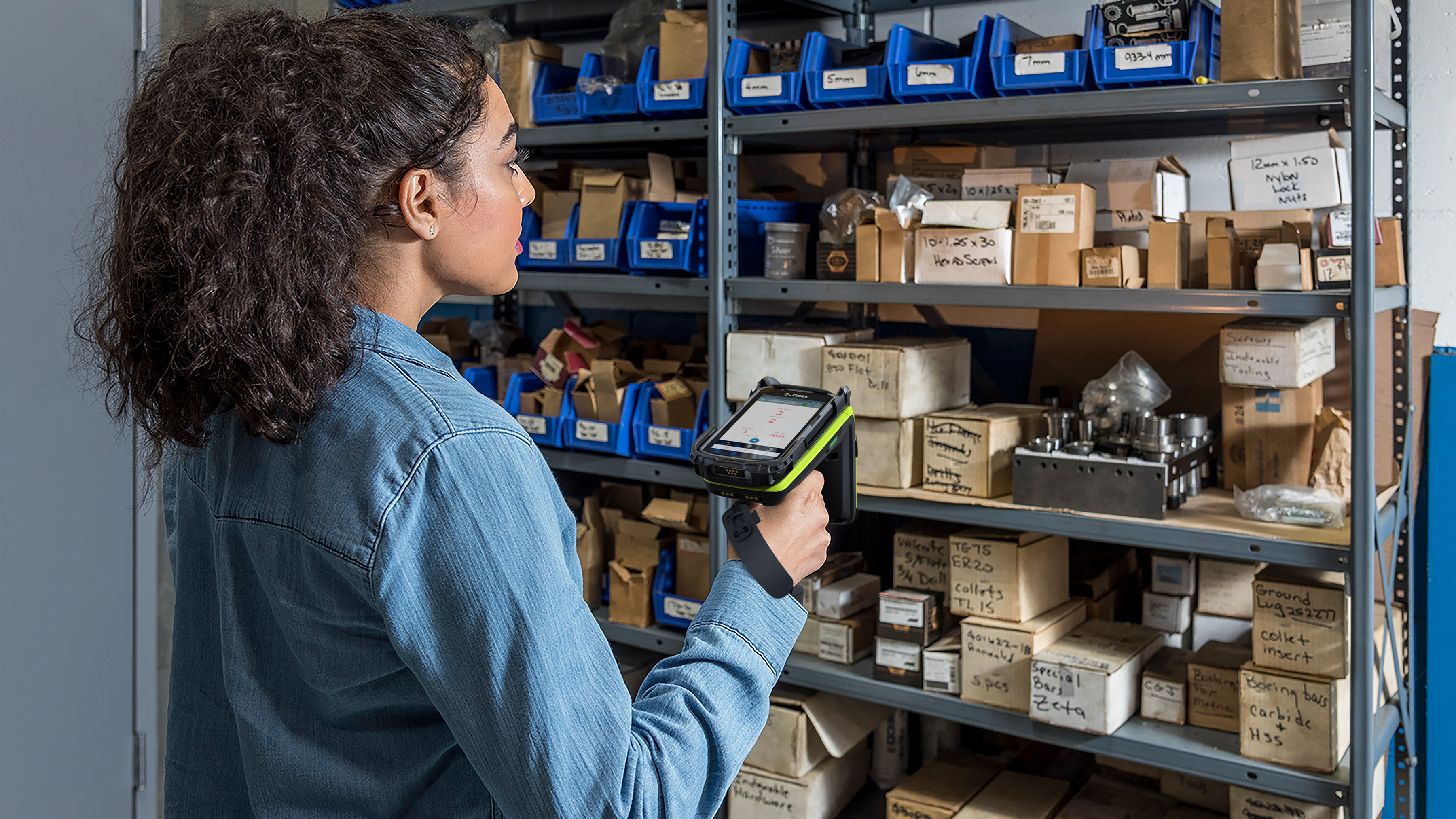
Inventory data is only useful when it reflects what is actually on the shelf, in the warehouse, or moving between locations. When stock checks are slow or manual, teams may postpone counts, rely on estimates, or spend too much time looking for items. RFID can help close that gap.
Faster capture, better decisions
Unlike optical barcode scanning, RFID does not require every tag to be positioned directly in front of a scanner. Compatible RFID readers can capture many tags in a reading zone at once. GS1’s explanation of RFID and barcode differences. This can make cycle counts, receiving checks, and stock verification faster and less dependent on manual handling.
The benefit is not simply speed. When counts are easier to perform, teams can update inventory more often and act on fresher information.
Visibility at item level
A serialised RFID identifier can represent a specific physical item rather than only a product type. GS1’s EPC standards support identifiers for products, assets, locations, and other business objects. GS1 RFID standards
Build the right process around the data
RFID improves visibility only when the read events connect to a useful action. Decide what should happen when an item is received, moved, missing, or found in the wrong location. Then design the reader placement, software rules, and staff workflow around those moments.
A good RFID deployment gives teams a clearer picture of operations and less time spent searching for it.
Ready to find the right tag for your operation?
UpsideBN can help you test the right RFID tag, reader, and placement for your operation.