
Every business has assets that take time to locate: tools, IT equipment, reusable containers, medical devices, inspection equipment, or high-value stock. The cost is not limited to replacement. It also includes downtime, unnecessary purchases, delayed work, and time spent searching.
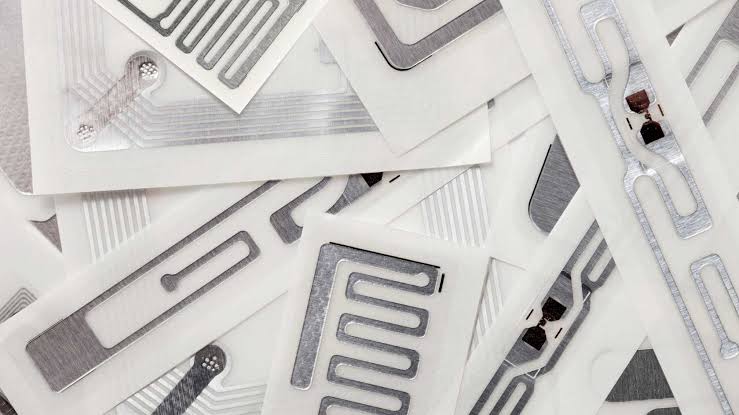
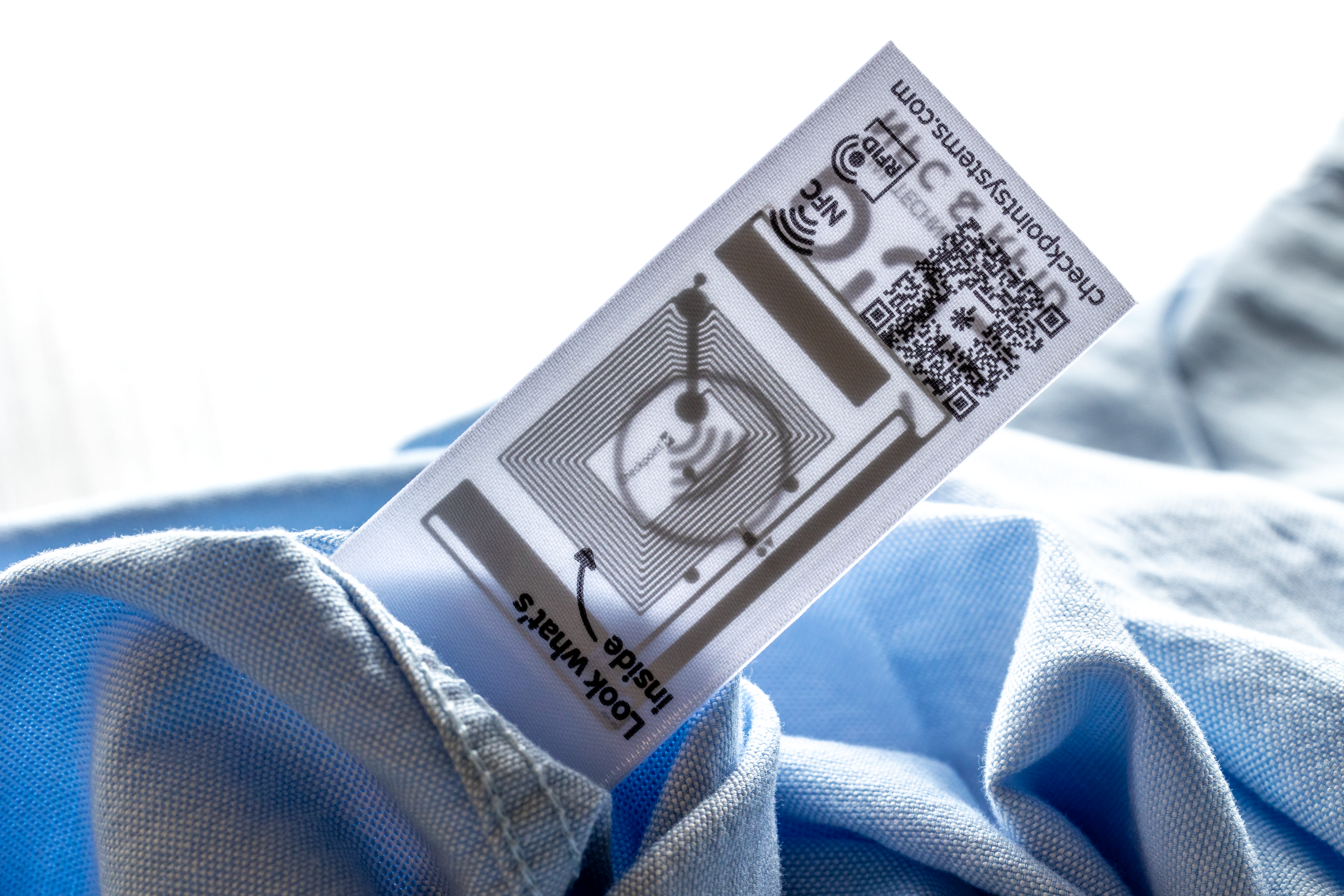
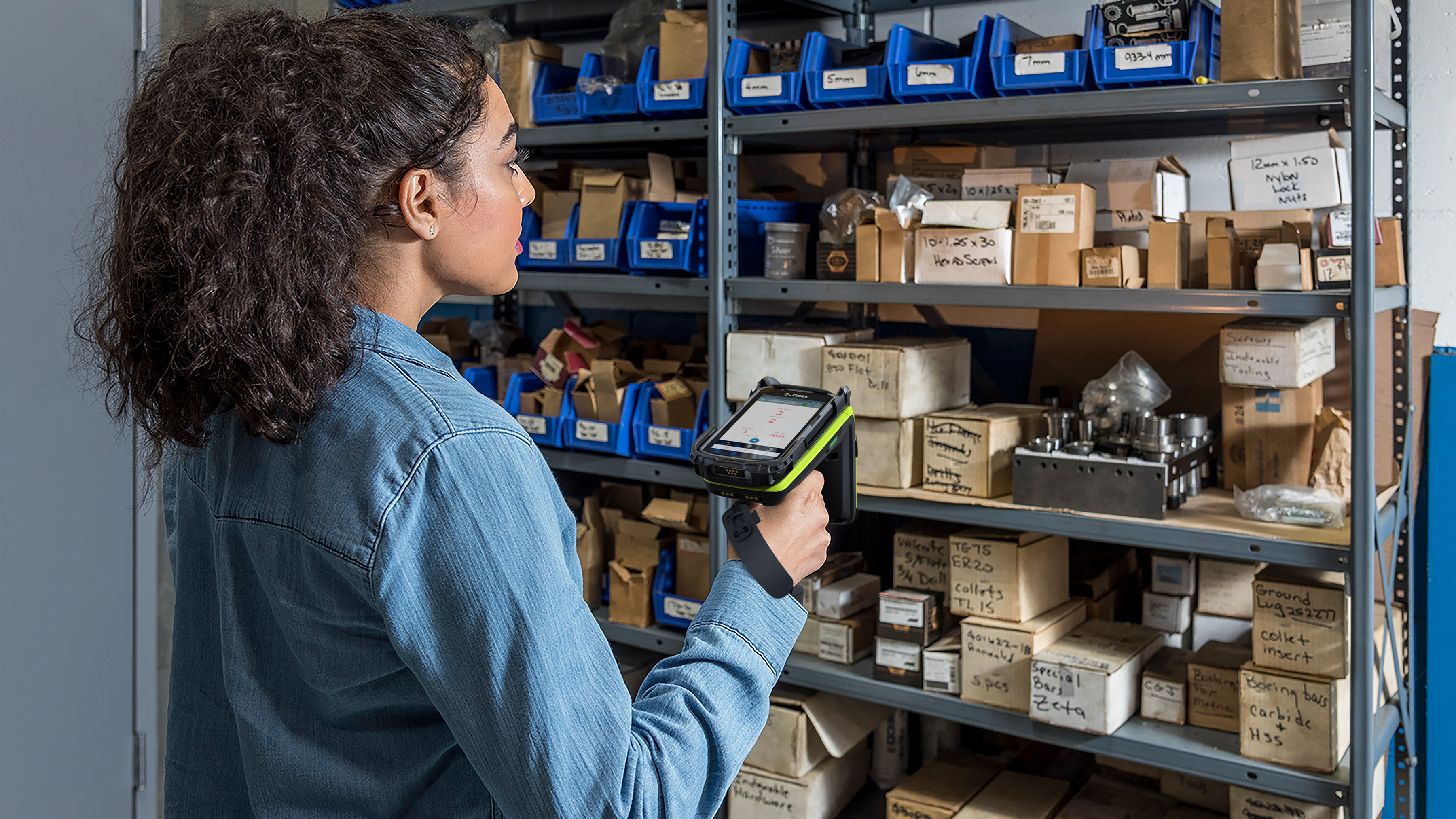
RFID asset tracking gives each asset a unique identity and records its presence or movement when it passes through a reader’s read zone.
Know what you have
The first step is a reliable asset register. Assign a unique identifier to each asset and connect it to useful information such as the item description, owner, department, location, maintenance status, or replacement value.
RFID supports a range of identification and tracking applications, including asset management and process control. NIST’s RFID systems overview
Design for the decision you need to make
Asset tracking can answer different questions:
- Is the item present?
- Is it in the right area?
- Has it left a controlled location?
- Is it ready for maintenance, issue, or return?
Those questions determine where readers belong and how alerts or reports should work. Tracking does not always require precise real-time location; often, confirming presence at a doorway, shelf, workstation, or storage room is enough.
Protect the system as well as the asset
An asset-tracking system can improve accountability, but access and data handling still matter. NIST recommends considering controls such as authentication, logging, separation of systems, and appropriate procedures for tag disposal where sensitive information is involved. NIST security guidance
The best RFID asset-tracking solution is practical: it gives people the information they need at the moment they need it, without creating another task to manage.
UpsideBN can help you design an asset-tracking pilot around your real equipment and workflow.
Ready to find the right tag for your operation?
UpsideBN can help you test the right RFID tag, reader, and placement for your operation.